DreamSenseMemory
Scientific Dream Journal
Most of a dream is gone within minutes of waking. A few free-text lines in a diary app won't hold on to much of it, and they're no use to a researcher trying to compare one dream against hundreds of others. A dream log only becomes research data if it asks the same questions in the same way every time.
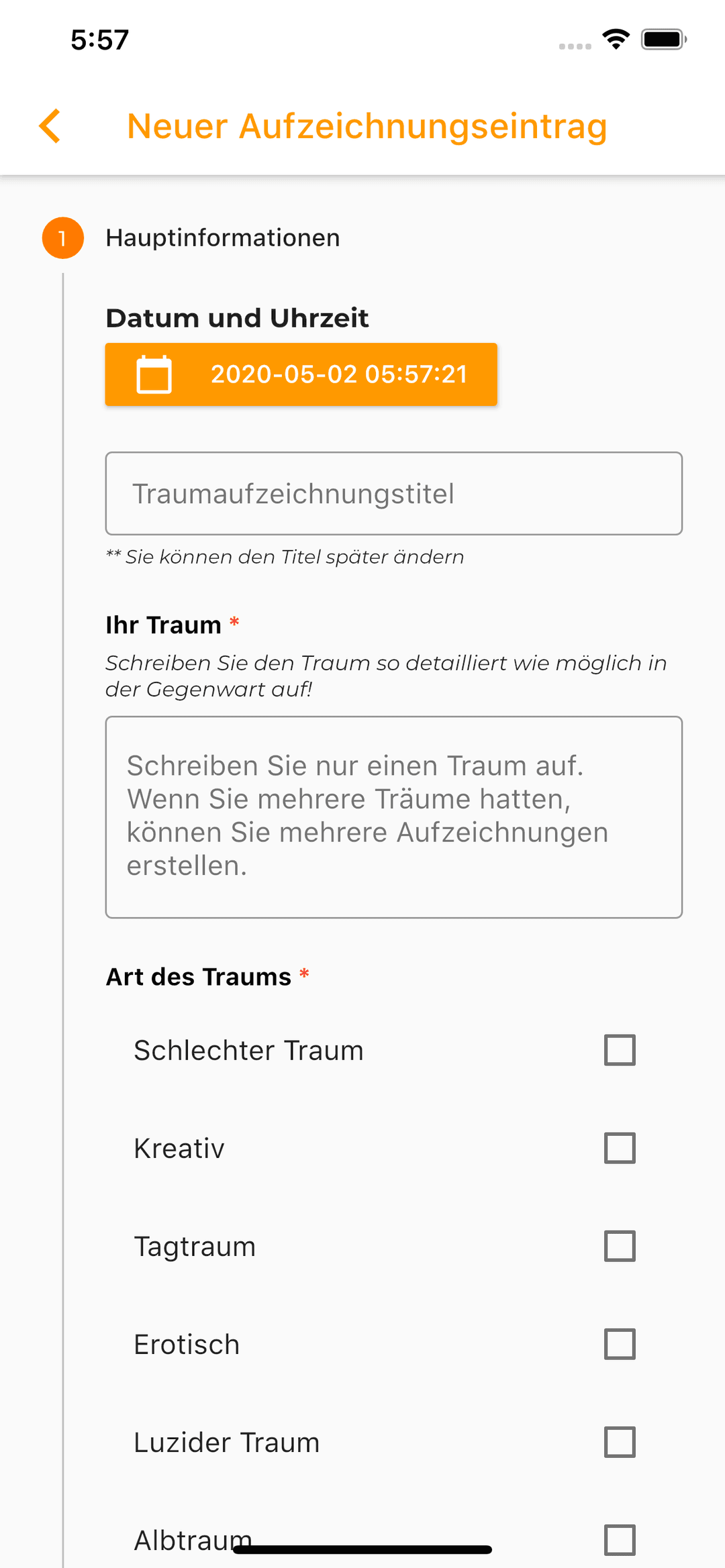
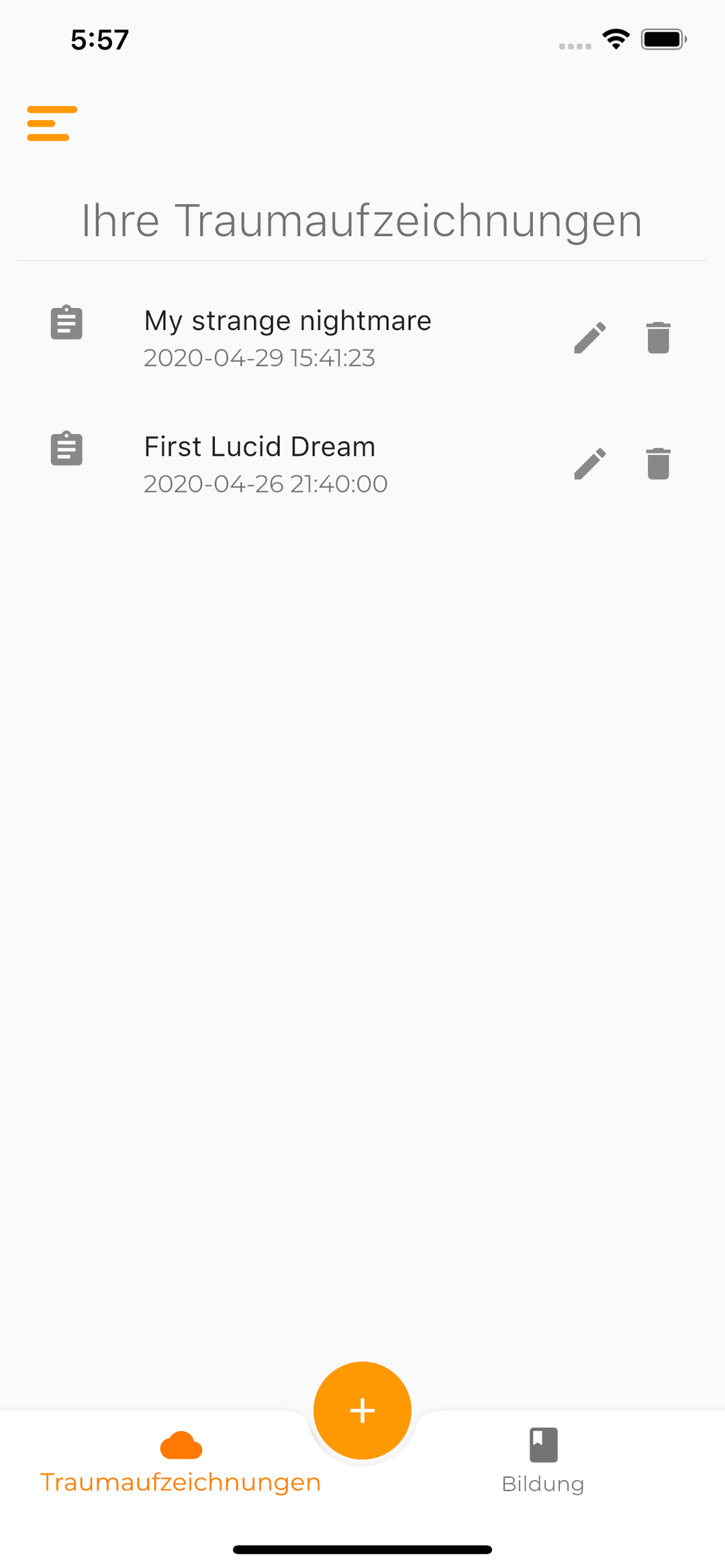
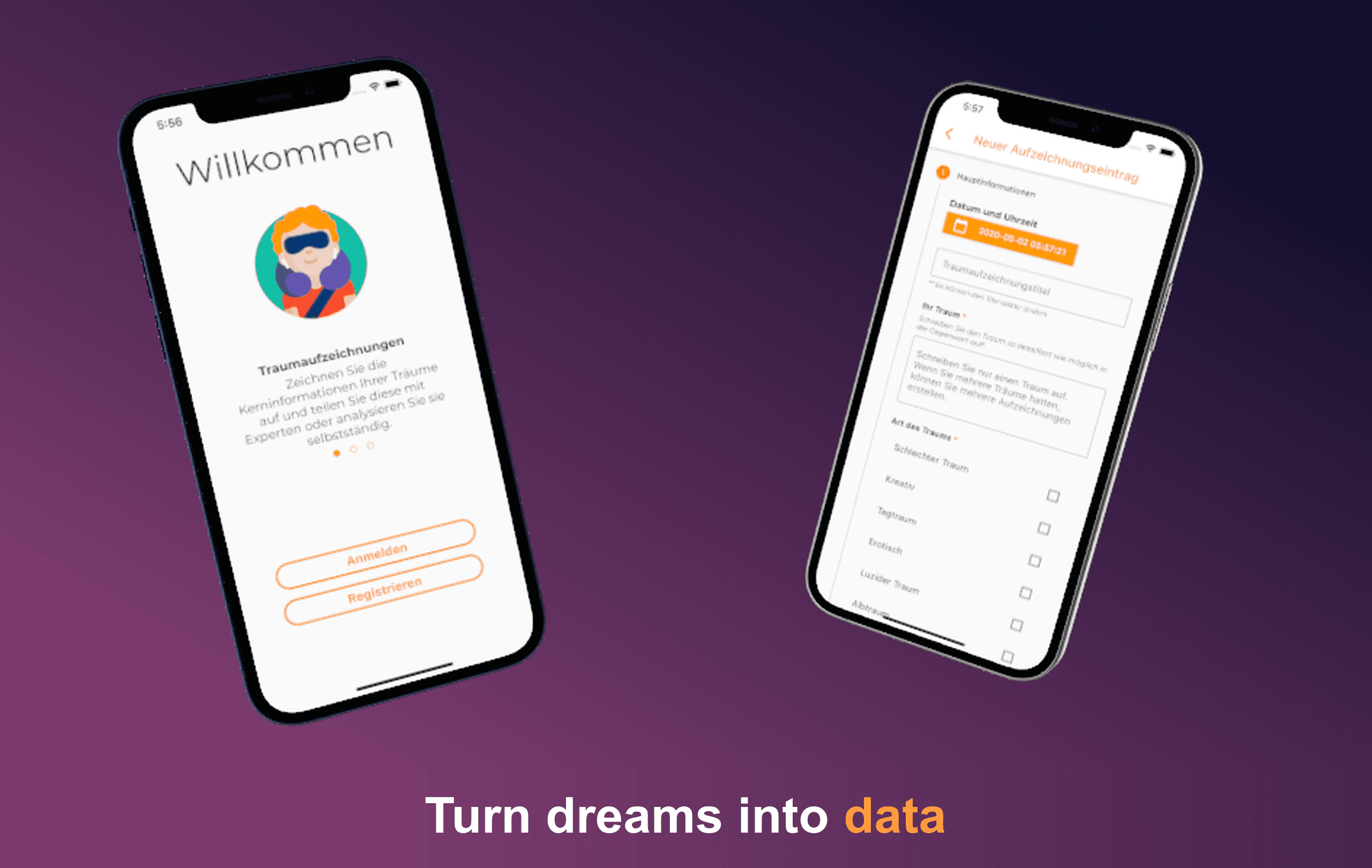
DreamSenseMemory was built on behalf of Brigitte Holzinger and the Institute for Consciousness and Dream Research (traum.ac.at) in Vienna. It guides users through a structured logging process built for research. Users record the type of dream (lucid, recurrent, prophetic, nightmare and 20+ other categories), the elements and senses involved, feelings and physical sensations, sleep timing and quality, and mood before and after. Every entry has the same structure, so dreams and people can be compared.
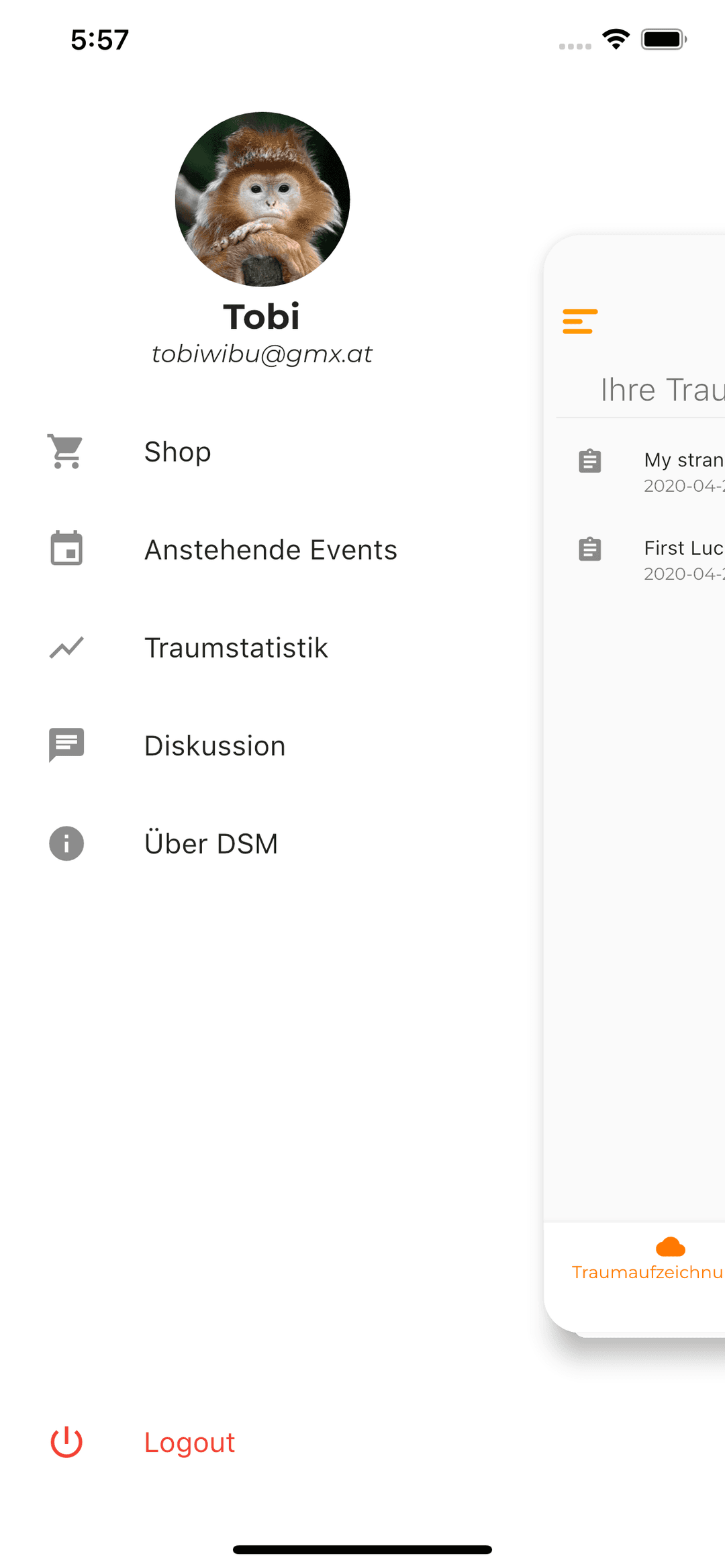
AppJoy developed the full app. It has the guided logging flow, a drawing tool for sketching dream imagery, discussion threads on individual dream logs, personal statistics on dreaming habits, an education feed with articles by Holzinger, a shop for her products and an events calendar. Deeper logging and analysis features are unlocked through in-app purchase.
Customer Benefits
- Native iOS and Android app for structured, research-grade dream journaling
- Guided logging across 20+ dream types plus senses, feelings, physical sensations, and sleep quality
- Dream drawing tool to sketch imagery directly inside a log
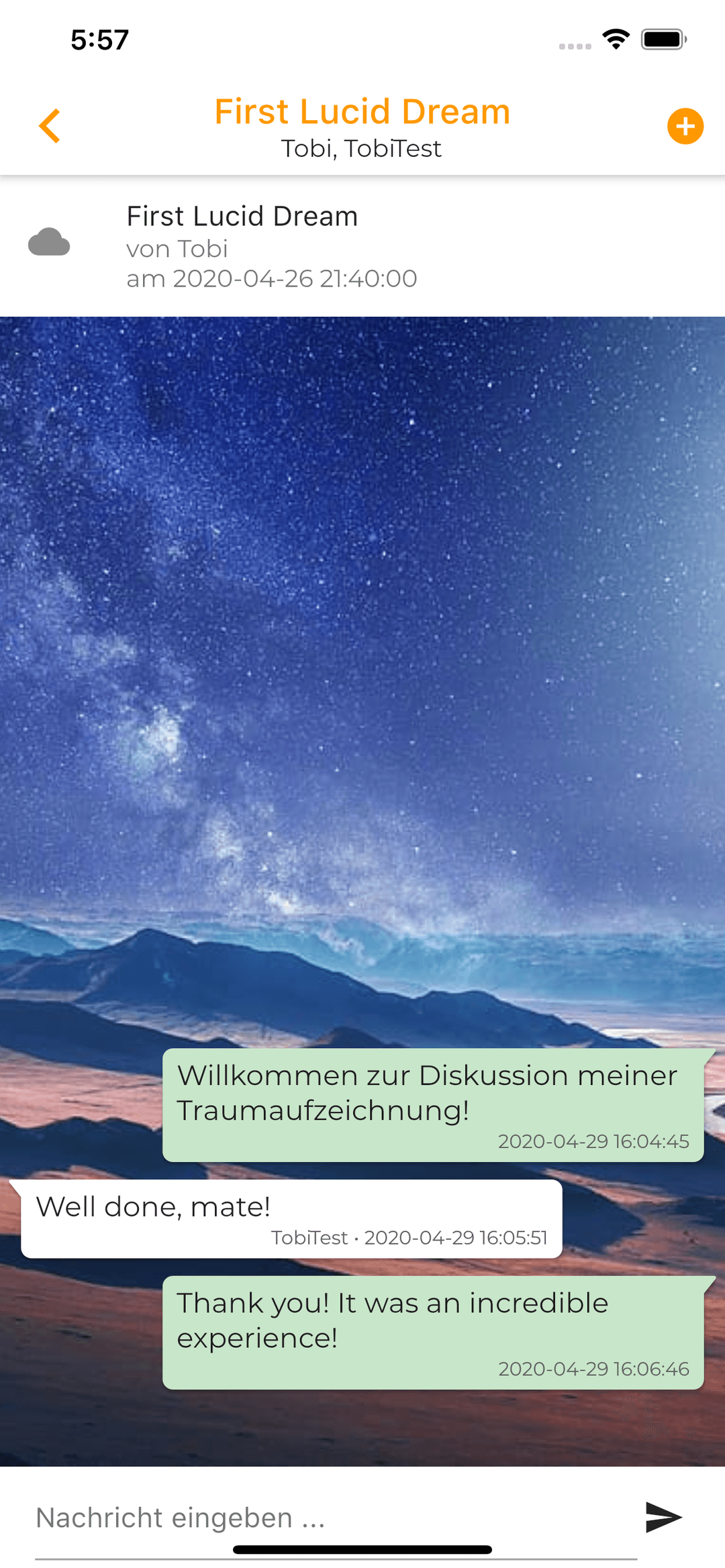
- Discussion threads on individual dream logs to share and discuss with experts or other users
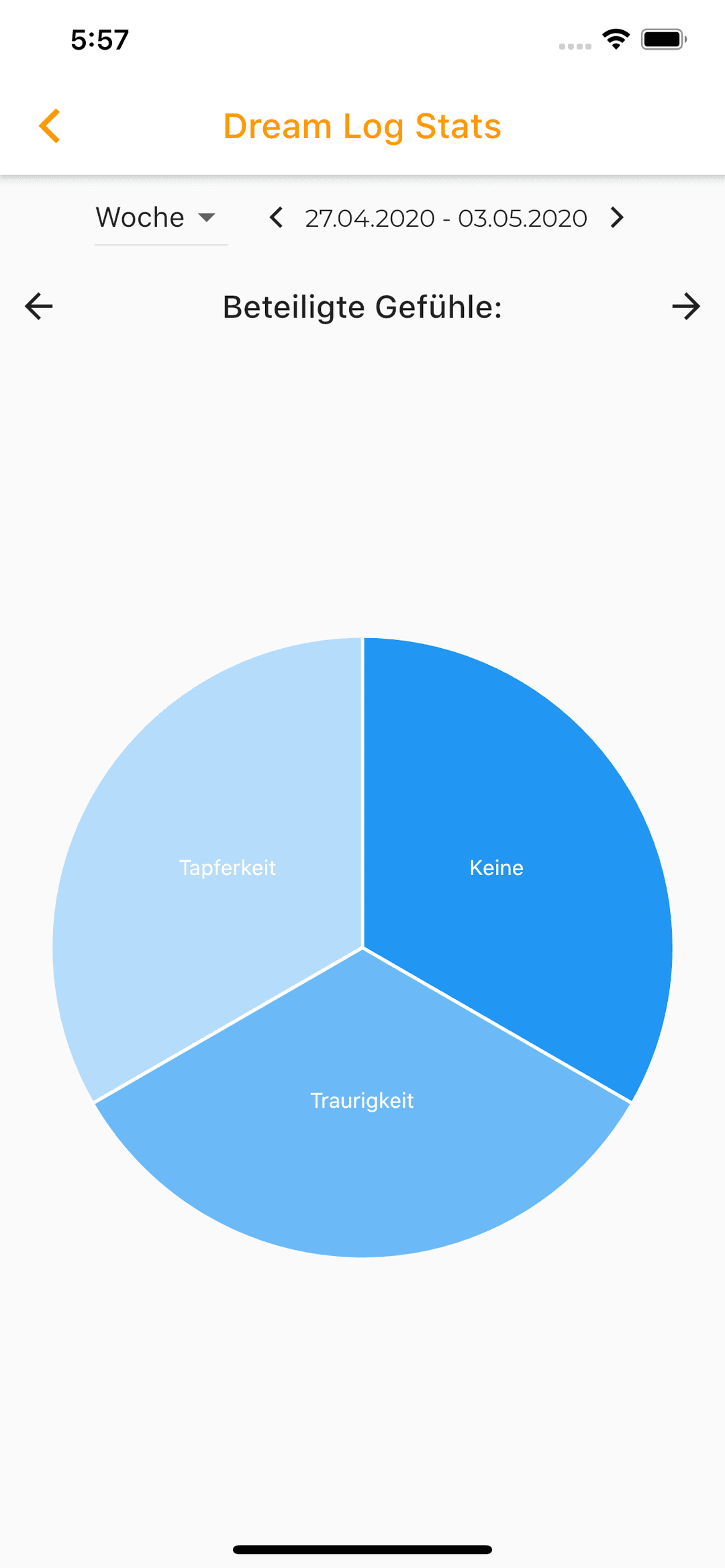
- Personal dream statistics: most-used words, dreams per week, and trends over time
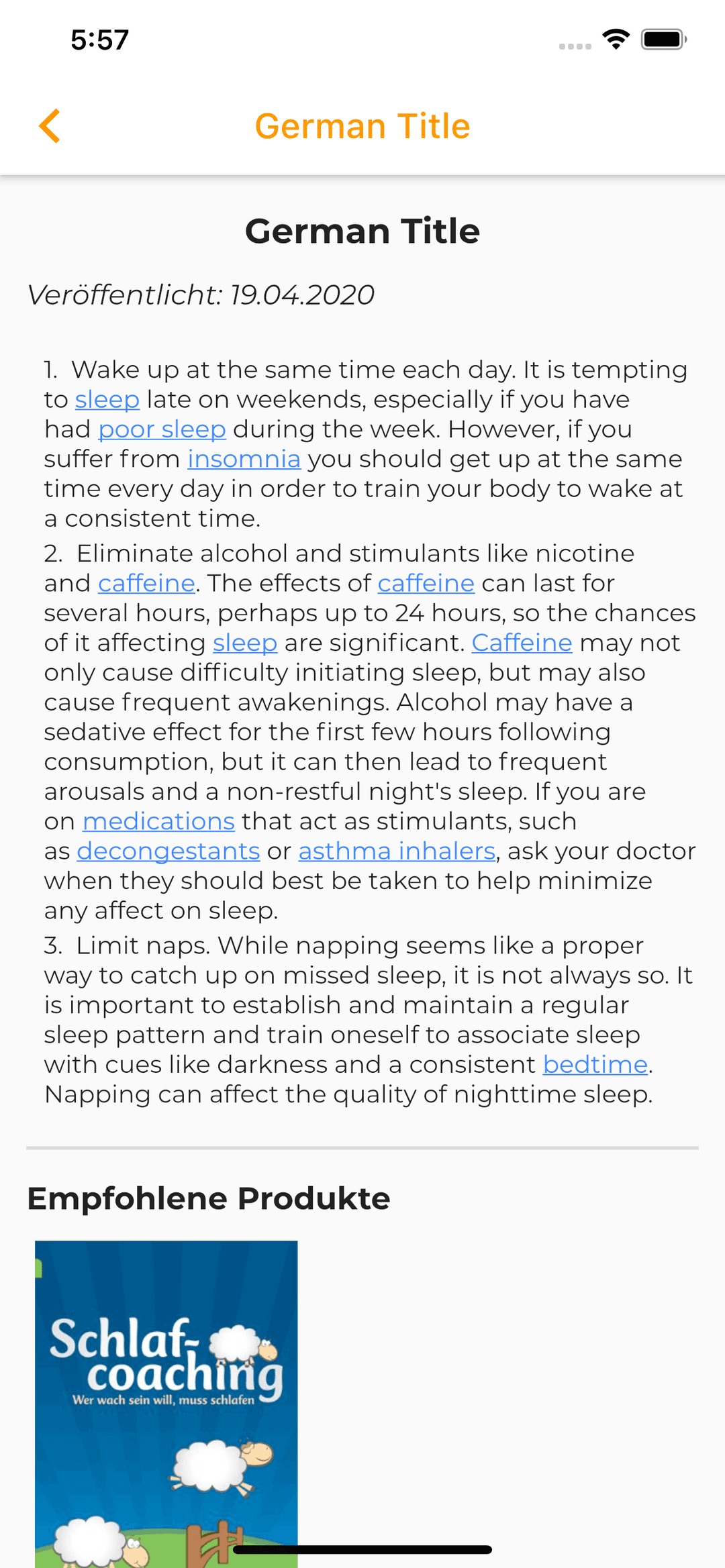
- Education feed of articles, an events calendar, and a shop, all run by the institute
- Deeper logging and analysis features unlocked via in-app purchase
- Full English and German localization
Implementation
AppJoy built DreamSenseMemory as a native Flutter application for iOS and Android, backed by a dedicated backend service, in close collaboration with the institute on what a dream log needs to capture to be useful for research.
The core of the app is a multi-step logging form that keeps every entry consistent: date and time, dream type, elements, senses, feelings, and physical sensations are all captured as structured data rather than free text, so they can be aggregated into the personal statistics view and, ultimately, used for research. On top of that, AppJoy built the discussion system that lets a dream log be shared and discussed thread-by-thread, the drawing tool for sketching dream imagery, and the in-app purchase flow that unlocks premium logging depth.
Tech Stack
- Platforms
- iOS, Android
- Client
- Flutter, Dart, Redux
- Backend
- PHP, Admin area
- Database
- MySQL
- Integrations
- In-app purchases, Charts for dream statistics